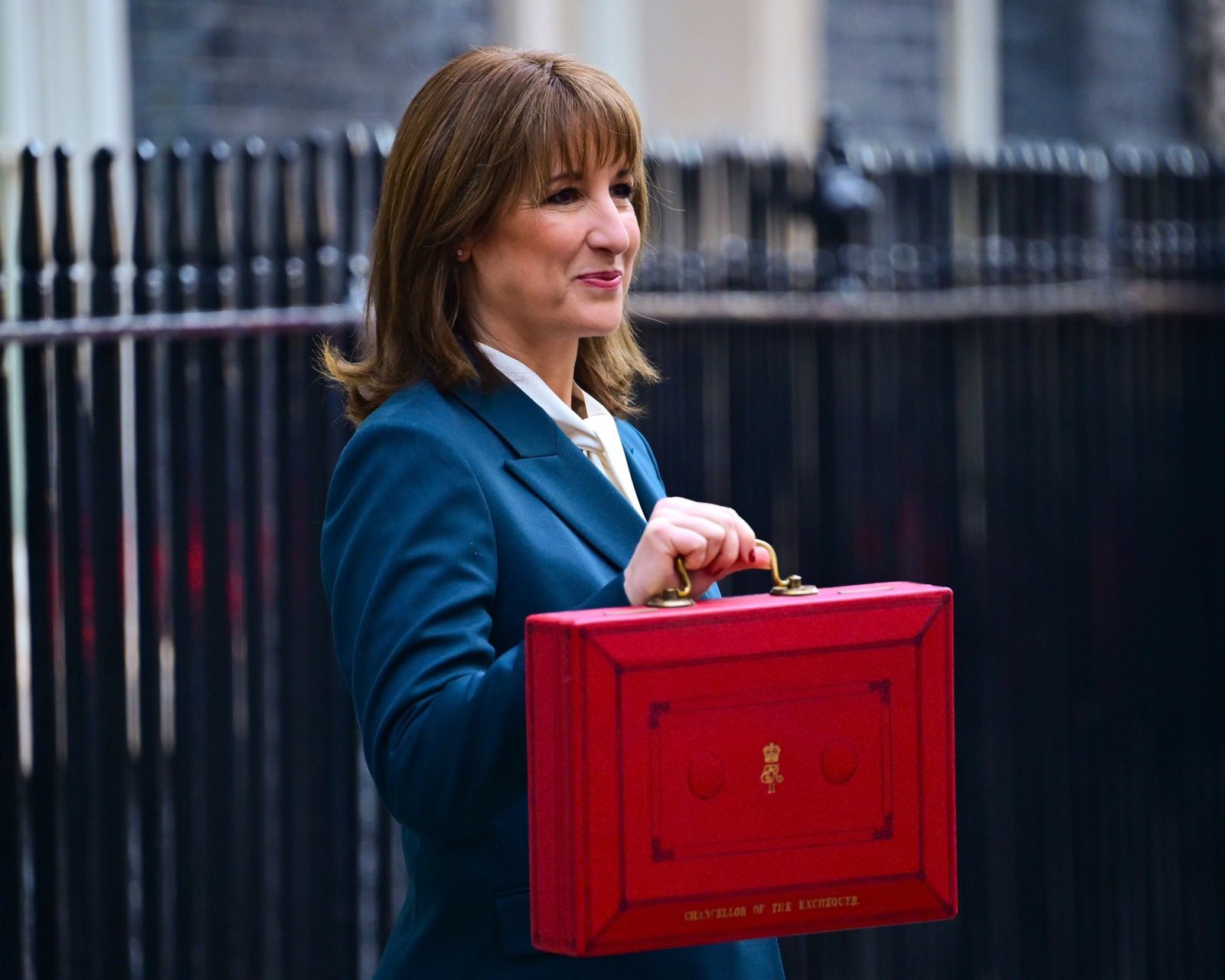
The OBR’s leak provided the numbers, but the text of Rachel Reeves’ second Budget revealed something far more significant: the tactical hierarchy of a government digging in for the long haul.
While “Growth” remains the slogan, the choices made in this specific fiscal event suggest a different driver: Political Survival.
A year into office, and facing a £20bn productivity downgrade alongside restless backbenches, the Chancellor has been forced to trade long-term strategy for short-term stability. For this Budget—and perhaps this Budget alone—the government’s usual stakeholders have been reshuffled into a brutal new pecking order.
1. The Parliamentary Labour Party (PLP) The Immediate Imperative In the fight for political survival, the first rule is to secure your base. Consequently, the 405 Labour MPs sitting behind the Chancellor have effectively become the primary shareholders of this Budget.
- The Evidence: The abolition of the two-child benefit cap. This was not the Treasury’s economic preference, nor was it in Reeves’ first Budget. It is a concession to the mounting political pressure of the last twelve months.
- The Verdict: By prioritising this “totemic” issue (alongside a minimum wage hike), Reeves has spent precious revenue to buy parliamentary unity. She cannot survive a rebellion while fighting a productivity crisis; the PLP had to be paid first.
2. The Debt Markets The Guardrails If the party got the sugar, the markets got the security. Survival in modern British politics is predicated on maintaining the hard-won credibility established – and then tested – in her first year.
- The Evidence: Despite the desperate need for investment to spur growth, Reeves refused to bend her fiscal rules to borrow more.
- The Verdict: The Chancellor knows that political survival is impossible if borrowing rates spike. By choosing tax hikes over borrowing, she has placed market credibility above voter comfort.
3. The Voters The Long Gamble The electorate finds itself a distant third in this specific calculation. The logic here is cynical but strategic: compound the pain now, while the next election is still distant.
- The Evidence: The extension of the income tax threshold freeze until 2030 is a massive “stealth tax” that drags millions into higher rates.
- The Verdict: The government is betting on the shortness of political memory. They are wagering that by the time these measures bite hardest in 2028, the economy will have turned a corner, allowing them to offer pre-election relief.
4. Business The Paymasters For a government that swept to power on a “partnership with business,” the private sector is the notable loser in this hierarchy.
- The Evidence: With productivity downgraded, business is being asked to shoulder the cost of the PLP’s welfare priorities and the Treasury’s fiscal conservatism.
- The Verdict: In this moment of crisis, pro-business reforms have been sidelined. The “Growth Mission” has not been abandoned, but for this Budget, it has been subordinated to the urgent work of political stabilisation.
Our View
This is a defensive Budget. It is designed to shore up the Keir Starmer and Rachel Reeves’s flanks—pacifying the party on the left and the markets on the right—while hoping the centre (voters and business) will bear the load until the economic storms pass. It is a high-stakes gamble. By prioritising political management over economic dynamism, Reeves is betting everything that stability now will yield growth later. If it doesn’t, she may find that the voters and businesses she deprioritised today will be the ones who decide her survival tomorrow.